

The short answer is yes, you almost always need to contact your own insurance company after a car accident, even if you are certain the other driver caused the crash. Most insurance policies contain a “cooperation clause” or notification requirement that mandates you report any accident within a reasonable time frame. Failing to do so could jeopardize your coverage, specifically your access to benefits that help pay for medical bills or repairs if the at-fault driver is uninsured or cannot pay.
While you must talk to your provider, handling the conversation correctly is key to protecting your rights. An experienced car accident attorney in New Hampshire can help you navigate these conversations and ensure your rights are fully protected from the start.
Key Takeaways about Should You Call Your Insurance if the Accident Isn’t Your Fault
- Most auto insurance contracts require policyholders to report accidents regardless of who is at fault to maintain valid coverage.
- Reporting the incident preserves access to Uninsured/Underinsured Motorist coverage and Medical Payments (MedPay) benefits.
- Drivers should stick to the basic facts when reporting an accident and avoid speculating on injuries or specific details until they have seen a doctor.
- New Hampshire follows modified comparative fault rules, meaning liability can sometimes be shared between drivers.
Understanding Your Insurance Policy Requirements
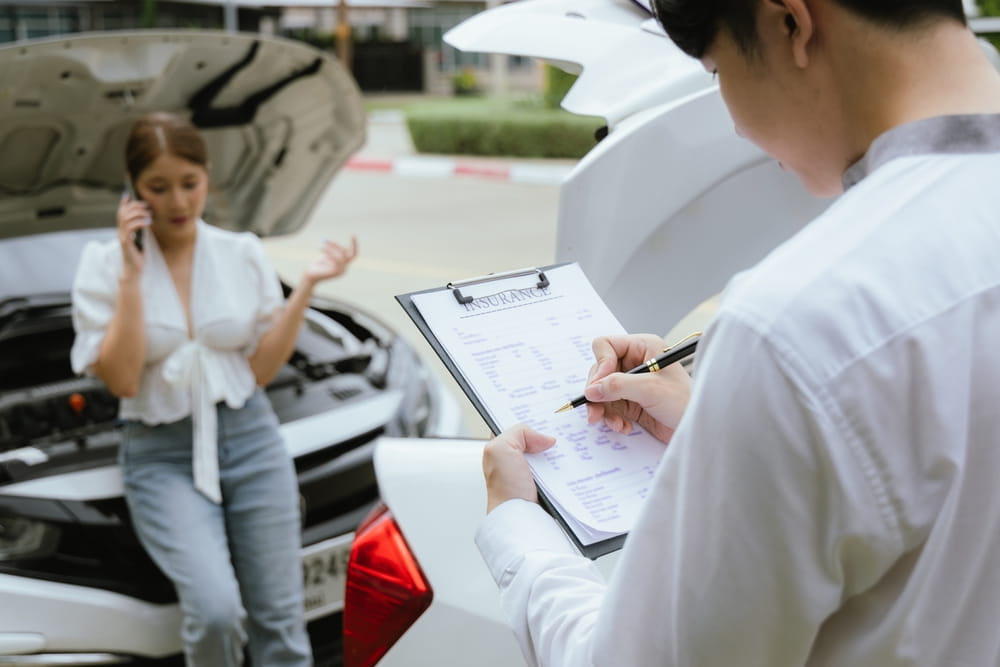
When you signed up for car insurance, you entered into a binding contract. Within the fine print of nearly every auto policy is a section detailing your duties after a loss. This section almost always states that you must notify the insurer of any accident “promptly” or “within a reasonable time.” This obligation exists independently of who caused the collision.
If you decide not to report the accident because the damage looks minor or the other driver promised to pay cash, you are taking a significant risk. If injuries appear days later—which is common with whiplash or soft tissue injuries—or if the other driver changes their story and blames you, your insurance company could deny you coverage for failing to report the incident on time. They need the opportunity to investigate while the evidence is fresh.
By calling them, you fulfill your contractual duty and keep your safety net in place.
Why Reporting Matters in New Hampshire
Beyond the contract, reporting the crash to your insurer is vital because of how New Hampshire law and insurance coverage work together. You might believe the other driver’s insurance will cover everything, but that is not always guaranteed. If the at-fault driver is uninsured, underinsured, or flees the scene, your only source of recovery might be your own policy.
New Hampshire statutes regarding Uninsured Motorist Coverage (RSA 264:15) require that policies provide protection for drivers injured by someone without adequate insurance. However, to access this coverage, your insurance company needs to know the accident happened.
Additionally, if you have Medical Payments coverage (MedPay), this pays for initial medical bills regardless of fault. You cannot use these benefits if you keep your insurer in the dark.
What to Say When You Call Your Agent
Once you are back home and safe, perhaps after driving back from a busy stretch of the Everett Turnpike or a local road in Concord, you should make the call. It is normal to feel nervous, but remember that your insurance agent is there to process the claim, not to be your legal counsel. The goal is to provide notice without damaging your potential claim.
Here is a guide on how to handle that initial conversation:
- Stick to the Basics: Provide the date, time, and location of the accident.
- State the Facts Only: Tell them you were in a collision and the other driver was at fault. Do not elaborate on “I didn’t see them” or “I was distracted.”
- Be Cautious About Injuries: If asked if you are injured, say, “I am going to get checked out by a doctor.” Do not say “I’m fine.” Adrenaline often masks pain for hours or days.
- Do Not Agree to a Recorded Statement Yet: You are generally required to give a statement to your insurer eventually, but you can ask to do it later when you are calm and have reviewed the situation. Never give a recorded statement to the other driver’s insurance company without legal guidance.
By keeping your answers short and factual, you satisfy the reporting requirement without accidentally admitting fault or downplaying your injuries before you know the full extent of the damage.
Comparative Fault and Liability Disputes
Another reason to involve your insurance company is the possibility that the other driver will lie. At the scene, the other driver might apologize, but once they speak to their insurance adjuster, their story often changes. They might claim you were speeding or that you merged unsafely.
New Hampshire operates under a specific legal framework known as Modified Comparative Fault (RSA 507:7-d). Under this law, you can still recover damages as long as you are not more than 50% responsible for the accident. However, if the other driver successfully shifts more than half the blame onto you, you could be barred from receiving compensation.
If you have not reported the accident to your insurer, you are left to fight these accusations alone. When you report the claim, your insurance company assigns an adjuster to investigate. Since they do not want to pay out a claim if you weren’t at fault, their investigation helps support your version of events. They become a detailed record-keeper of the incident, which protects you if the other party tries to change the narrative later.
Myths About Reporting Non-Fault Accidents
Many drivers hesitate to call their agent because they fear their premiums will skyrocket. This is a common misunderstanding. Generally, insurance rates increase when you are the one who caused the accident (a “chargeable accident”). If you are not at fault, your rates typically should not go up solely because you reported a claim, especially if the other driver’s insurance eventually pays for the damages.
Another myth is that you can settle it “under the table.” This rarely works out well. You might get an estimate for a bumper repair for $500, only for the mechanic to find $2,000 worth of internal frame damage later. If you accepted cash and didn’t report the accident, you are likely stuck paying that difference out of pocket. Formal reporting ensures there is a paper trail and that hidden damages can be addressed properly.
When a Car Accident is Not Your Fault FAQs
Do I have to call the other driver’s insurance company?
You are not legally obligated to talk to the other driver’s insurance adjuster, and it is often safer not to. Their goal is to pay you as little as possible. It is better to let your attorney or your own insurance adjuster handle communications with the opposing carrier.
What if the damage is very minor?
Even for minor “fender benders” in a grocery store parking lot, it is wise to report them. Small dents can hide sensor damage or structural issues. Furthermore, the other driver might claim physical injury days later, and you need your policy’s protection in place.
Is there a specific deadline to call my insurance?
Most policies use vague terms like “promptly” or “as soon as practicable.” Practically speaking, you should call within 24 to 72 hours. Waiting weeks or months gives the insurer grounds to deny the claim due to a “failure to cooperate.”
Contact Coates Law Office for a Free Consultation

Bradford H.
Coates, Nashua, NH Personal Injury Attorney
Dealing with insurance companies—even your own—can be frustrating when you are trying to recover from an injury. You do not have to handle the paperwork and the adjusters on your own. At Coates Law Office, we believe in direct communication and honest evaluations. Attorney Bradford Coates, a former prosecutor, understands how to build a strong case and will fight to ensure you are treated fairly.
We know that after an accident, you need to focus on your rest and recovery, not on arguing with insurance representatives. We can handle the legal side of things and work to hold the at-fault party accountable. Contact us today for a free consultation.