

Quick Answer: Can Insurance Adjusters Tell How Old Car Damage Is?Insurance adjusters can often tell how old car damage is by looking for specific physical evidence. They check for signs like rust, dirt inside a scratch, and fading paint caused by weather exposure to determine if the damage is new or pre-existing.
Insurance adjusters can often tell whether car damage looks old or new by reviewing the vehicle, repair history, photos, rust, paint transfer, and damage patterns. After a New Hampshire car accident, the insurer may question whether every dent, scratch, or structural issue came from the recent crash.
The insurance company only has to pay for damage covered by the accident. If the adjuster claims some damage was pre-existing, a New Hampshire car accident attorney can help gather repair records, photos, inspection reports, and other evidence to protect the value of your claim.
Key Takeaways for Examining Old Car Damage
- Insurance adjusters look for rust, dirt, and paint oxidation to estimate the age of the damage.
- Being honest about pre-existing scratches or dents is critical; hiding information can lead to allegations of material misrepresentation.
- Old, unrelated damage should not prevent you from recovering full compensation for new damage from a recent accident.
- Photographic evidence and past repair records are powerful tools to prove when certain damage occurred.
What Evidence Do Insurance Adjusters Use To Date Damage?
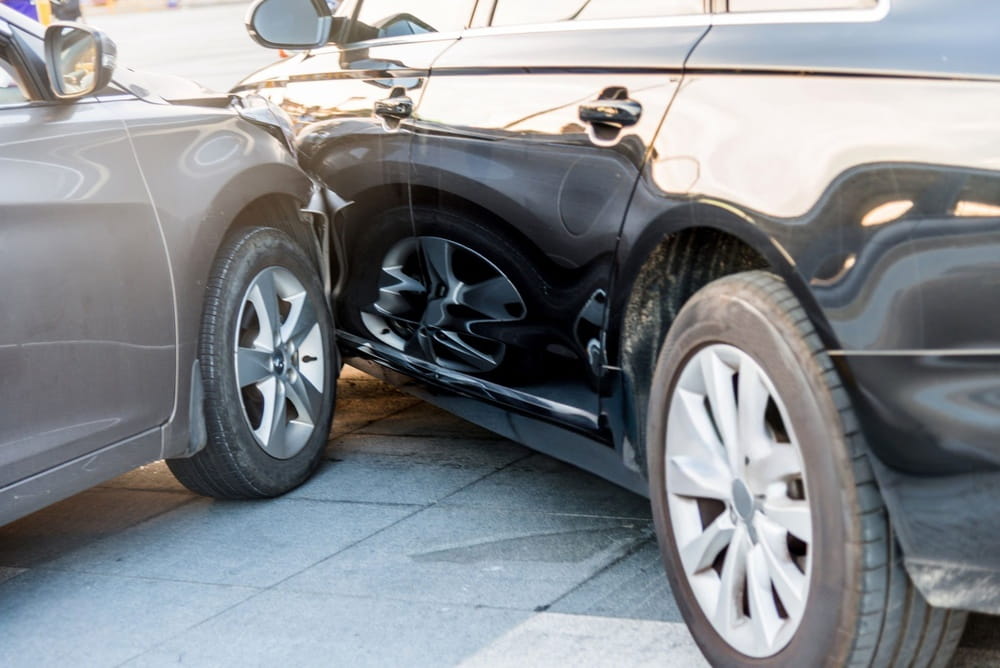
Insurance adjusters look at the vehicle, accident records, photos, and damage patterns to decide whether the car damage appears new or old. They may also rely on auto damage appraisers, collision repair professionals, mechanics, investigators, or accident reconstruction professionals when the cause or age of the damage is disputed.
An adjuster may review the police report, photos from the scene, repair records, and the vehicle itself. The goal is to decide whether the damage matches the reported car accident or appears to come from something older.
Common indicators include:
- Oxidation and Rust: Exposed metal can oxidize or rust when moisture and air come into contact with it. Light surface rust may appear fairly quickly, but deeper rust often suggests the damage has been exposed longer.
- Dirt and Debris: Older dents and scratches may collect dirt, road grime, wax residue, or other debris. Fresh damage often looks cleaner inside the damaged area.
- Paint Condition: New scratches may show sharp edges, fresh cracking, or paint transfer from another vehicle. Older damage may show fading, dullness, or weathering around the affected area.
- Damage Location and Consistency: The damage should match the crash. For example, if the claim involves a rear-end collision, unexplained damage to the front fender may raise questions unless another impact caused it.
- Repair and Inspection Records: Prior estimates, service records, inspection reports, or photos may show whether the same damage existed before the accident.
Does Previous Body Damage Affect a New Hampshire Car Accident Claim?
Pre-existing damage doesn’t automatically prevent you from recovering compensation for new car damage. However, it can give the insurance company a reason to question what the recent accident actually caused.
If the crash made existing damage worse, the insurer should consider the added repair costs caused by the new collision. For example, if your bumper already had a small crack but a rear-end crash shattered it, the dispute may focus on how much of the repair cost relates to the new accident.
This is where evidence matters. Before-and-after photos, repair estimates, inspection reports, and mechanic or collision repair opinions can help show what damage existed before the crash and what changed afterward.
Should I Tell the Adjuster About Prior Damage to My Vehicle?
You need to tell the adjuster about any prior damage to your vehicle. Being honest helps protect your credibility and keeps the focus on what the new accident actually caused. Trying to hide old damage can seriously hurt your claim.
Insurers may review vehicle history reports, prior claim records, repair invoices, photos, or databases such as Carfax or AutoCheck. If the same damage was documented before, the insurer may use that information to question the entire claim.
You can still explain that some damage was pre-existing while identifying what changed after the crash. A car accident attorney can help organize the proof, including repair records, before-and-after photos, and opinions from mechanics, to show which damage is new.
FAQ for Examining Old Car Damage
What if the Insurance Adjuster Claims My Car Damage Is From an Old Accident?
If an adjuster claims your car damage is old, stay calm and explain why you believe the damage came from the recent accident. You can point to photos, repair records, or other evidence that supports your position.
If the insurer continues to dispute the claim or reduces your payout, a lawyer can step in to present evidence and challenge the adjuster’s assessment.
What Happens if New and Pre-Existing Scratches and Dents Are in the Same Spot?
The insurer should cover the added damage caused by the recent crash, even if the same area already had scratches or dents. When old and new damage overlap, the dispute usually comes down to how much the collision changed the vehicle’s condition.
Repair records, photos, estimates, and collision repair opinions can help show what damage existed before and what the new accident added.
Does New Hampshire’s Comparative Fault Rule Affect a Claim With Old Damage?
New Hampshire’s comparative fault rule usually focuses on who caused the crash, not whether your vehicle already had damage. However, an insurer may argue that prior damage, such as a broken taillight, helped cause the accident.
If they prove you share fault, your compensation may be reduced. A lawyer can challenge unfair blame and help keep the focus on what the new crash caused.
Let Coates Law Office Handle the Insurance Company

Bradford H.
Coates, New Hampshire Car Accident Attorney
Dealing with an insurance company can be difficult, especially when they question your honesty about car damage. You don’t have to face this process alone. Coates Law Office can build a strong, evidence-based claim to secure the compensation you need for your repairs and other losses.
If you’re in a dispute with an insurer over your property damage claim, call (603) 262-5766 or complete the online contact form for a free case review.