

Chain-reaction crashes on Route 3, the Everett Turnpike, and other Nashua highways often leave drivers facing conflicting fault claims, multiple insurance adjusters, and pressure to give recorded statements before their injuries are fully documented.
Multi-car accidents create liability disputes that single-vehicle crashes don’t. Fault gets divided across multiple drivers, adjusters deflect blame to other policies, and evidence disappears quickly.
A Nashua multi-car accident lawyer can investigate who’s actually responsible, preserve critical evidence, and coordinate claims across multiple insurers to protect your recovery.
Key Takeaways for Multi-Car Accidents in Nashua, NH
- Fault in a multi-car accident often involves shared responsibility, and New Hampshire’s comparative negligence rule means your compensation may be reduced if you’re found partially at fault
- Multiple insurance companies mean multiple dispute strategies, and adjusters often deflect blame to other drivers or policies to minimize their own exposure, making early legal representation critical
- Evidence deteriorates quickly after chain-reaction crashes, so prompt investigation strengthens your claim
Who’s at Fault in a Multi-Car Accident in New Hampshire?
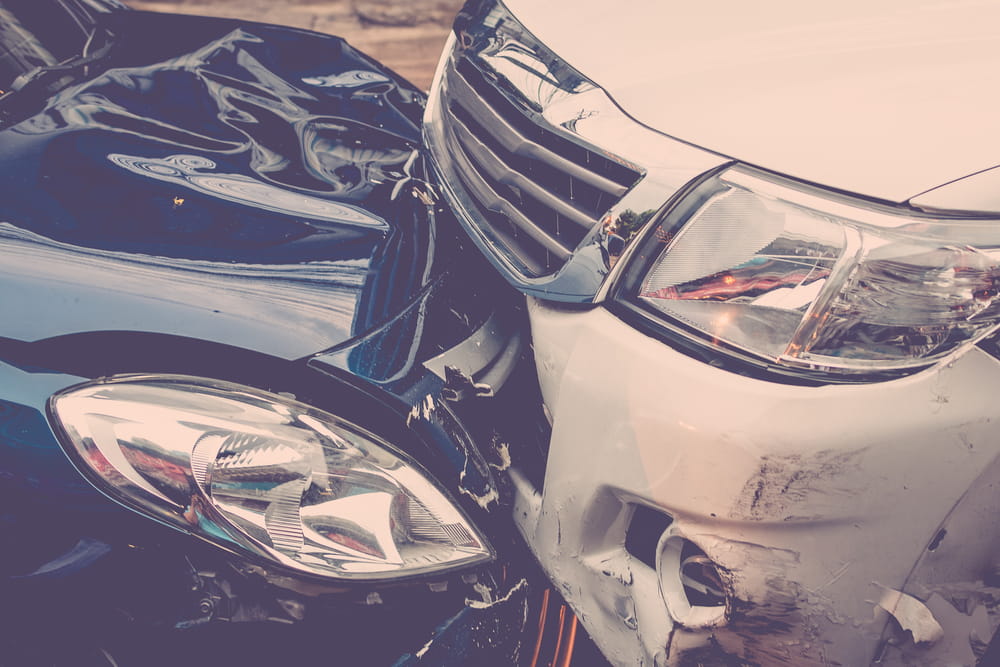
Fault in a multi-vehicle crash isn’t always obvious. The driver who started the chain reaction may be primarily responsible, but other factors complicate liability. A driver who was following too closely, distracted, or speeding may share fault even if they weren’t the first to cause the impact. Weather conditions, road defects, and sudden lane changes can all factor into how responsibility gets divided.
New Hampshire follows a modified comparative negligence rule: you can recover if your fault is not greater than the fault of the defendants in the aggregate (all defendants combined), and your damages are reduced by your percentage of fault. If your fault is greater than the defendant’s fault (or the defendants’ aggregate fault in a multi-defendant case), you may not be able to recover.
Insurance companies may try to use this rule aggressively. Adjusters might argue you were driving too fast, failed to brake in time, or didn’t leave enough following distance. A Nashua chain-reaction accident attorney can push back with evidence that clarifies what actually happened and who is primarily responsible.
What Evidence Matters Most After a Multi-Vehicle Crash?
Chain-reaction crashes leave behind complex evidence trails. The stronger your documentation, the harder it is for insurers to rewrite the story.
Critical evidence includes:
- Police reports that document driver statements, officer observations, and initial fault determinations
- Dashcam footage from your vehicle or other drivers that shows the sequence of impacts
- Witness statements from passengers, other drivers, or bystanders who saw how the crash unfolded
- Scene photos showing vehicle positions, skid marks, road conditions, and damage patterns
- Vehicle black box data that records speed, braking, and steering inputs in the seconds before impact
Evidence disappears fast. Dashcam footage gets overwritten. Witnesses leave the scene and become hard to track down. Skid marks fade. A lawyer can launch an investigation immediately, preserve electronic data before it’s deleted, and interview witnesses while memories are fresh.
Should I Give a Recorded Statement to the Insurance Company?
If another driver’s insurer asks for a recorded statement, it’s usually smart to decline until you’ve talked to counsel and direct them to your lawyer. If your own insurer requests a statement under your policy’s cooperation terms, get legal advice on how to comply without harming your claim.
In multi-car accidents, adjusters use these statements to build comparative fault arguments. They might ask leading questions about your speed, following distance, and reaction time. They focus on anything you might have done differently. Once you give a recorded statement, you can’t take it back, and even a minor inconsistency could become ammunition to dispute your claim.
You generally must cooperate with your own insurer under your policy terms. You typically have no contractual duty to provide a recorded statement to another driver’s insurer, and it’s reasonable to wait until you’ve consulted counsel. A Hillsborough County car crash attorney can handle insurer communications and manage what information is provided, consistent with your policy obligations and claim requirements, while protecting you from avoidable statement traps.
What If Multiple Drivers Are Partially at Fault?
When fault is divided across multiple drivers, insurance companies play defense. Each insurer tries to shift as much blame as possible onto the other drivers and their policies. They argue their driver reacted reasonably, couldn’t have avoided the crash, or was responding to someone else’s negligence.
This creates a coordination problem for injured victims. You may have valid claims against multiple drivers, but each insurer wants to pay as little as possible. Policy limits complicate things further. For example, if one at-fault driver carries minimum coverage and another carries higher limits, you may need to pursue claims against both policies to fully cover your losses.
Your injury attorney can coordinate claims across multiple insurers, determine which policies provide the best path to full compensation, and handle the strategic complexity of apportioning fault and damages across multiple defendants. This isn’t a case where you can rely on one adjuster to do the right thing—you need someone managing all the moving parts.
Compensation Available After a New Hampshire Multi-Car Accident
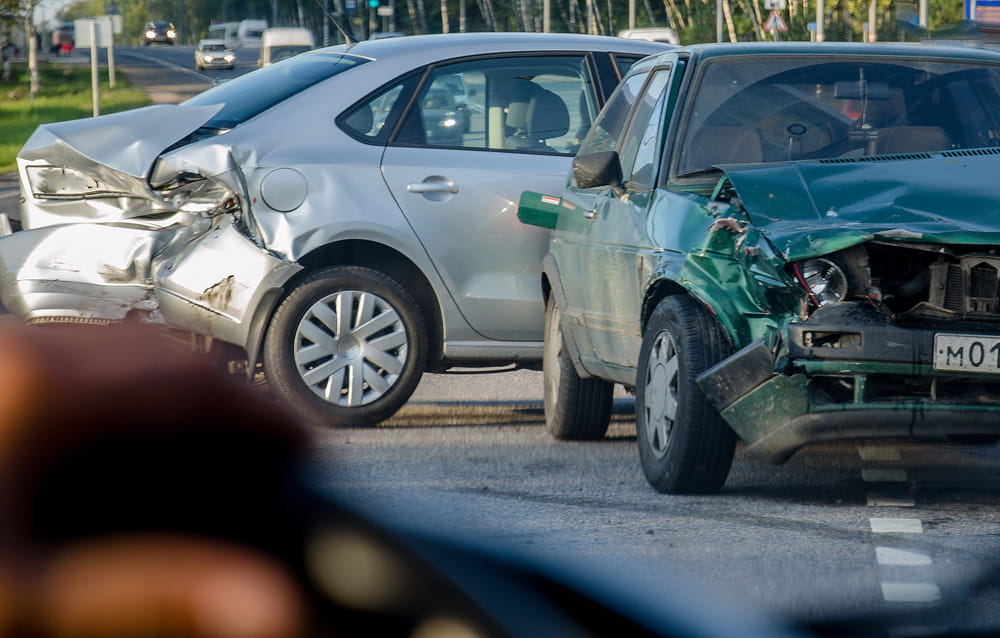
The value of your claim depends on injury severity, fault allocation, available insurance coverage, and how well your treatment and losses are documented.
Damages that could be available in multi-vehicle crashes include:
- Medical bills from emergency room treatment, imaging, surgery, physical therapy, and ongoing care
- Lost wages if your injuries kept you out of work or reduced your ability to earn
- Pain and suffering reflecting the physical discomfort, emotional distress, and life disruption caused by the crash
- Property damage to repair or replace your vehicle, plus rental car costs during repairs
When multiple drivers share fault, your total recovery may come from a combination of insurance policies. An experienced car accident lawyer can evaluate available coverage, calculate a realistic demand, and negotiate with multiple insurers to pursue full compensation.
How Long Do I Have to File a Claim or Lawsuit in New Hampshire?
New Hampshire personal injury claims arising from car accidents generally face a three-year statute of limitations, with some exceptions. Insurance policies often require prompt notice and cooperation, sometimes phrased as “as soon as practicable”, and missing policy conditions can create coverage disputes even if the lawsuit deadline hasn’t run.
Missing these deadlines can jeopardize your claim even if the statute of limitations hasn’t expired. A lawyer can calendar relevant deadlines, make timely notice to all involved insurers, and protect your legal options while you focus on medical treatment and recovery.
FAQ for Multi-Car Accidents in Nashua, NH
What if the other drivers are blaming each other and leaving me out of it?
Even if the other drivers agree you weren’t at fault, their insurers may still try to assign you partial blame to reduce their payouts, and the fight between these insurance companies could also impact how and when you recover compensation. Having legal representation means there is someone protecting your interests while the other parties argue among themselves.
What happens if one driver leaves the scene after a multi-car accident?
Hit-and-run situations complicate multi-car crashes, but you may still have options for recovery. If a driver flees, New Hampshire law still holds them liable if they can be identified later through witnesses, surveillance footage, or police investigation. If the driver can’t be found, your uninsured motorist coverage may apply to cover your injuries, depending on your policy terms.
What if one of the at-fault drivers doesn’t have insurance?
You may pursue compensation through your own uninsured motorist coverage if you carry it, or through the other at-fault driver’s policy if multiple drivers share responsibility. A lawyer can evaluate all available coverage sources and determine the best path to recovery.
Get the Facts Before You Settle

Bradford H.
Coates, Nashua Car Accident Attorney
Multi-car accidents don’t resolve themselves, and insurance companies won’t volunteer the full compensation you’re entitled to. Liability disputes, policy limits, and shared fault rules all work against unrepresented claimants. Coates Law Office can investigate the crash, coordinate claims across multiple insurers, and fight for fair compensation while you focus on recovery. Contact us for a free consultation.