

New Hampshire motor vehicle accident statistics show that in 2023, 130 people died in motor vehicle crashes, with 51% of fatalities occurring in rural areas and 49% in urban areas.
If you’re among the many affected by crashes each year, these numbers highlight that your accident likely mirrors recurring trends, not just a random event.
Understanding these patterns can help you build a stronger injury claim by connecting your case to documented trends in crash causes, locations, and risk factors.
Connecting your situation to these broader patterns can help move from confusion to clarity, and taking action with the help of a Nashua car accident lawyer from Coates Law Office can make all the difference in working toward recovery and compensation for your damages and losses.
Key Takeaways About New Hampshire Motor Vehicle Accident Statistics
Crash patterns provide insight into how and where accidents happen and show that no one is alone in facing serious roadway incidents.
- Frequent Accident Scenarios: Rear-end collisions, intersection crashes, and single-vehicle incidents account for a large share of accidents, suggesting that many crashes fit common types with often-preventable causes.
- Motorcyclists, Pickup, and SUV Risks: Insurance Institute for Highway Safety data from 2023 shows that motorcyclists accounted for 32% of New Hampshire’s 130 crash fatalities, while pickup and SUV occupants accounted for another 32%, pointing to the need for focused attention when fault and injuries are disputed.
- Seatbelt Trends and Crash Outcomes: While New Hampshire has a 78% observed daytime front-seat belt use rate, IIHS data reveals that 59% of fatally injured vehicle occupants in 2023 were unrestrained—an enduring factor in crash severity that often arises in legal disputes over responsibility.
Where and How Do Motor Vehicle Accidents Happen in New Hampshire?
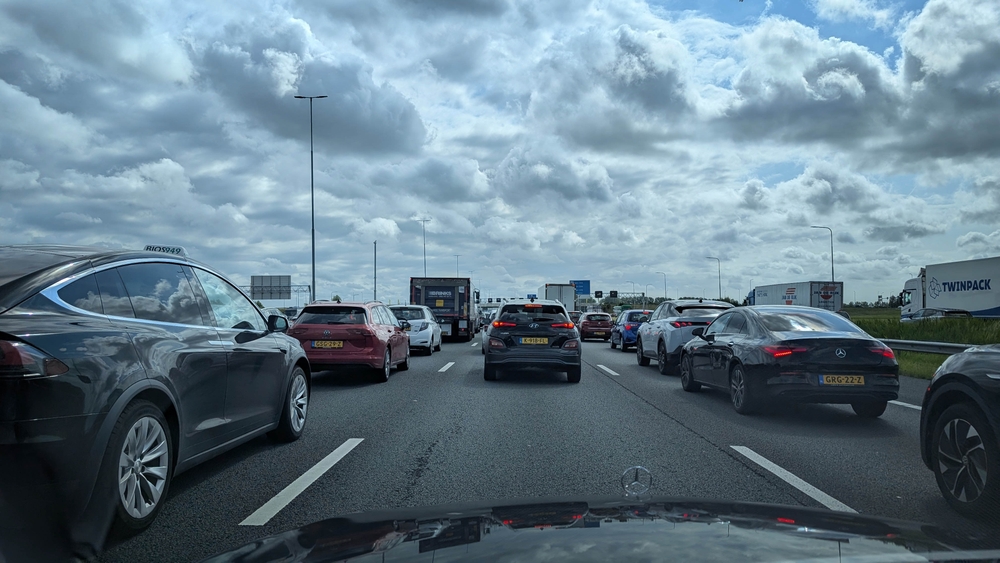
Reviewing crash data shows that trouble spots aren’t limited to unfamiliar territory for those harmed. According to New Hampshire crash statistics, rural roads accounted for 55% of fatal crashes in 2024, often due to higher speeds, sharp curves, or poor lighting.
In cities like Nashua, accident clusters occur at major intersections, busy downtown crossings, and areas with heavy traffic. These hotspots reveal that recurring issues like poor signage, congestion, or high pedestrian activity often set the stage for serious injuries.
Rear-end collisions and intersection wrecks pop up regularly in reporting from across New Hampshire. These scenarios often involve distracted driving, speeding, or running red lights. Recognizing these repeat patterns underscores that many victims share similar stories—your case is not just an isolated twist of fate.
Understanding Comparative Fault and Common Crash Circumstances
New Hampshire uses a modified comparative fault rule, allowing compensation if you’re not more than 50% at fault for an accident. Statewide statistics are filled with examples of risk factors:
- intersections with frequent disputes about right of way
- rural crashes where speed and road design play big roles
- a substantial portion of fatalities tied back to driving without a seatbelt.
If your crash matches these scenarios, you are part of a majority, not a rare exception. With a car accident lawyer on your side, you gain an advocate who understands how these recurring patterns connect to proving your side of the story under New Hampshire laws.
High-Risk Spots, Vulnerable Road Users, and Recurring Themes
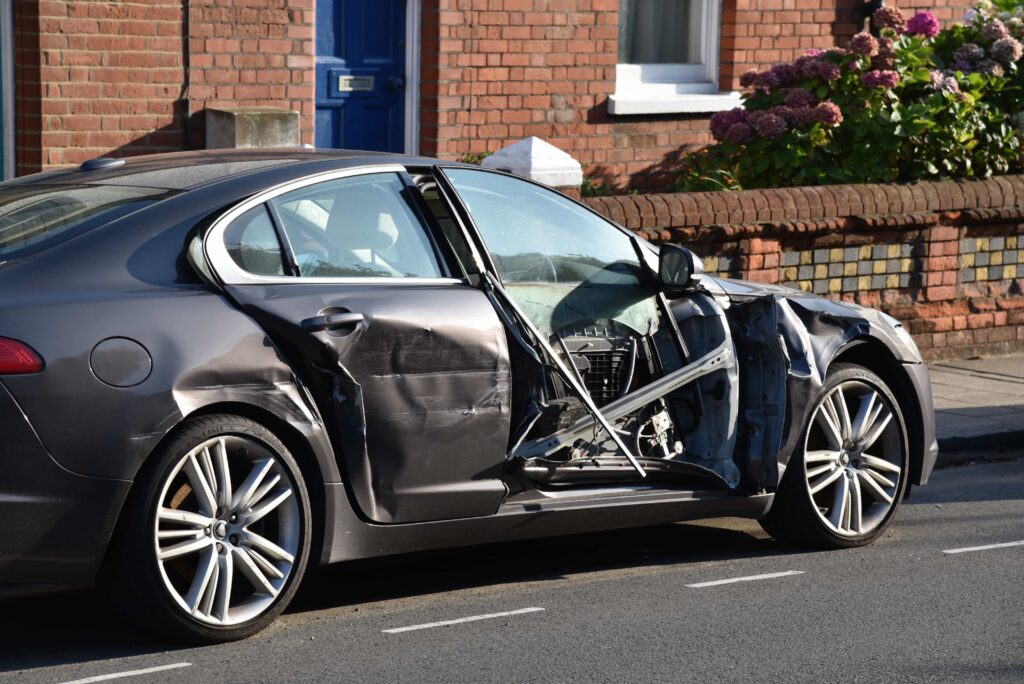
Hotspots for serious accidents often line up with major intersections, state highways, rural routes, and crosswalks in bustling neighborhoods. About half of all crashes involve a single vehicle; many result from skidding on wet roads, swerving to avoid wildlife, or losing control in low-visibility conditions.
Motorcycle and pedestrian crashes also persist as a significant concern—visibility, sharing the road, and following the rules all play major roles. With motorcyclists and pickup/SUV occupants each making up about 32% of fatal accidents, their presence is felt in claims involving high impact and unique injury profiles.
Pedestrian death statistics concentrate near urban centers, where crosswalks and sidewalk boundaries collide with fast-moving traffic. This concern highlights the need for safety improvements and the protection of individual rights after an incident.
Alcohol, Distraction, and the Realities Behind the Numbers
IIHS analysis of 2023 data indicates that an estimated 31% of New Hampshire’s fatal crashes involved a driver with a blood alcohol concentration at or above 0.08%.
Distracted driving, such as using cell phones, adjusting controls, or even interacting with passengers, features in an increasing share of police reports statewide.
These factors highlight that serious accidents generally follow recognizable, preventable circumstances, and that taking individual action can bring these problems to light in a wider context.
Surviving an injury or losing a loved one to a crash involving drunk or distracted driving is far too common, according to the data. Legal action in these circumstances often means carrying the torch for safer roadways and personal accountability, supported by the clear message of the state’s ongoing statistics.
New Hampshire Accident Statistics FAQs
If my accident happened at a common hotspot, does it make my claim stronger?
Crash hotspots often reflect a history of design challenges or traffic flow issues. Accidents at these locations can provide helpful context, but still require facts relating to what actually happened to you.
What if my accident involved a driver who was speeding?
Speeding is a common factor in severe crashes, as it reduces reaction time and increases the force of impact. If the at-fault driver was speeding, it could strengthen your claim by demonstrating negligence. Evidence such as skid marks, black box data, or witness accounts can be critical in proving this.
Can rural road accidents be harder to investigate?
Rural road accidents often occur in areas with limited lighting, fewer witnesses, and less surveillance, making it more challenging to gather evidence. However, these cases are still viable with the right legal approach. A lawyer can work to uncover details like road conditions, vehicle damage, and expert accident reconstruction to build a strong case.
The Value of Speaking Up After a Crash

Bradford H.
Coates, Nashua Personal Injury Attorney
New Hampshire motor vehicle accident statistics provide a sobering reminder that crashes at notorious intersections, rural curves, and city crossings are not rare. If you’ve become part of these numbers, you’re continuing a story seen throughout the state.
Pursuing your claim helps draw attention to dangerous conditions, deters repeating risky behavior, and supports changes that make communities safer.
A car accident lawyer from Coates Law Office treats your circumstances as unique to build a case that links your challenges to statewide trends and focuses on facts that reinforce your right to seek recovery and justice under the law. Taking action is about more than just one claim—it stands for progress and accountability for all. Contact us today for a free consultation.