

Getting into a car accident is jarring enough. When you find out the driver who hit you doesn’t have enough insurance to cover your medical bills and other losses, it can feel like a second blow. If you are injured in an accident with an underinsured driver in New Hampshire, you may still have a clear path to obtaining the compensation you need. Often, the solution lies within your own auto insurance policy, a protection you may not even know you have.
Key Takeaways about What Happens If You Get Injured in an Accident with an Underinsured Driver
- An “underinsured” driver has insurance, but their policy limits are too low to cover the full extent of an injured person’s damages.
- Underinsured Motorist (UIM) coverage, a part of one’s own auto policy, can cover the financial gap left by the at-fault driver’s insufficient insurance.
- New Hampshire state law sets minimum liability coverage amounts for all drivers, but serious injuries can easily result in costs that exceed these minimums.
- Thorough documentation of all medical expenses, lost income, and other damages is crucial for any personal injury claim.
- Even when dealing with one’s own insurance company for a UIM claim, the process can be complex and may require careful handling.
Understanding “Underinsured” in New Hampshire
It’s easy to confuse an “uninsured” driver (someone with no insurance at all) with an “underinsured” one. An underinsured driver has met the legal requirement for car insurance, but they only carry the minimum amount of coverage.
In New Hampshire, all drivers are required to have liability insurance that meets certain minimums. According to state law, these minimums include:
- $25,000 for bodily injury to one person
- $50,000 for bodily injury to two or more people in one accident
- $25,000 for property damage
A serious injury from a collision on a busy road like I-93 can quickly lead to medical bills far exceeding $25,000. If your hospital stay, surgeries, and physical therapy costs total $80,000, the at-fault driver’s minimum policy leaves a $55,000 gap. This is the situation where the driver is considered “underinsured.”
How Your Own Insurance Can Help After an Accident with an Underinsured Driver
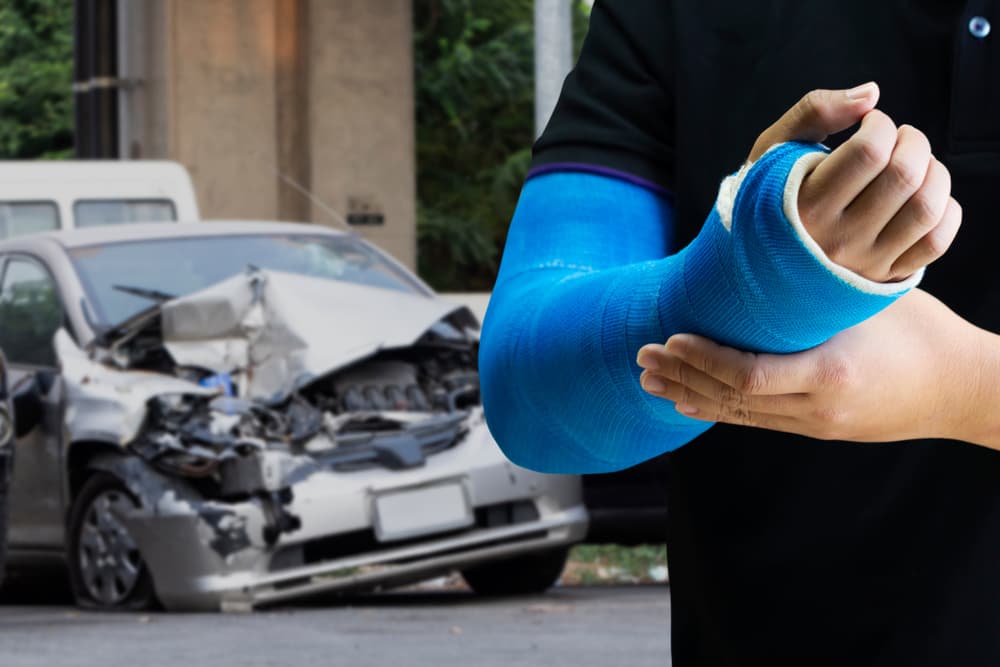 This is precisely why Underinsured Motorist (UIM) coverage exists. UIM coverage is a part of your own automobile insurance policy designed to protect you financially when an at-fault driver’s insurance is not enough. It essentially steps in to cover that gap between your total damages and the other driver’s policy limit, up to the amount of UIM coverage you purchased.
The process generally works in a specific order:
- First, you file a claim with the at-fault driver’s insurance company.
- That company investigates and, upon confirming their driver’s fault, will pay out the maximum amount their policy allows (e.g., $25,000).
- Once you have received that payment, you can then open a UIM claim with your own insurance provider to seek compensation for the remaining damages.
Even though you are dealing with your own insurance company, the process requires you to prove your case just as you would with another driver’s insurer.
Isn’t My Insurance Company on My Side?
You pay your premiums faithfully, so it’s natural to assume your insurance company will simply pay your UIM claim without issue. However, insurance companies are businesses, and their objective is to protect their bottom line. When you file a UIM claim, your insurer may step into the shoes of the at-fault driver.
They will conduct their own investigation and may challenge the extent of your injuries or the value of your claim. This can create an adversarial relationship where you must prove that you deserve the full value of your policy.
Proving Your Damages: The Key to a Successful Claim
Whether you’re dealing with the at-fault driver’s insurance or your own UIM provider, the burden is on you to demonstrate the full scope of your losses. Strong documentation is essential to building a convincing case for why you need compensation after an accident with an underinsured driver. Vague claims are easy to deny, but a well-documented case is hard to dispute.
 You can typically seek compensation for several types of damages:
- Economic Damages: These are the direct financial losses you have suffered. They include all past and future medical bills, lost wages from being unable to work, and any impact on your future earning capacity.
- Non-Economic Damages: These damages are meant to compensate you for the intangible, personal losses that don’t have a clear price tag. This includes physical pain, emotional distress, and loss of enjoyment of life.
- Property Damage: This covers the cost to repair or replace your vehicle and any other personal property damaged in the crash.
Keeping detailed records of every doctor’s visit, every day missed from work, and how the injury has affected your daily life provides the foundation for a strong claim.
What if I Don’t Have UIM Coverage?
While insurance companies in New Hampshire must offer UIM coverage, drivers can reject it in writing. If you find yourself in that situation, recovering compensation becomes more challenging, but not necessarily impossible. You may still have other options to explore.
- Lawsuit Against the At-Fault Driver: You can file a personal injury lawsuit directly against the underinsured driver to hold them personally accountable. This allows you to pursue their personal assets. However, this is often a difficult path, as many drivers with minimum insurance policies do not have significant assets to recover.
- Identify Other Responsible Parties: Was anyone else partially responsible for the accident? Perhaps a poorly maintained road, a malfunctioning traffic signal, or a defect in one of the vehicles contributed to the crash. In some cases, a third party may also be held liable.
- MedPay or Health Insurance: Your own MedPay (Medical Payments) coverage or personal health insurance can be used to pay for your medical bills. While this won’t compensate you for lost wages or pain and suffering, it can provide crucial financial relief for your treatment.
Exploring every potential avenue for recovery is important when you’ve been injured by someone without enough insurance.
FAQs for Accidents with an Underinsured Driver
Here are answers to some common questions that arise after a collision with an underinsured motorist.
What is the difference between an uninsured and an underinsured driver?
An uninsured driver has no car insurance at all. An underinsured driver has insurance, but their policy’s liability limits are not high enough to cover all the damages they caused in the accident.
Will my insurance premiums go up if I file a UIM claim?
In most cases, filing a UIM claim should not raise your insurance rates. This coverage is for accidents that were not your fault. Your policy is intended to protect you in situations just like this, and using the benefits you pay for should not result in a penalty.
How long do I have to file a claim after an accident with an underinsured driver in New Hampshire?
In New Hampshire, the statute of limitations for personal injury claims is generally three years from the date of the accident. It is wise to act much sooner to preserve evidence and begin the claims process.
What if the underinsured driver’s insurance company offers me a settlement right away?
You should be cautious about accepting a quick settlement offer. Initial offers are often low and may not account for the full long-term costs of your injuries, such as future medical treatment or lost earning ability. It is important to understand the full value of your claim before accepting any offer.
Can I still get compensation if I was partially at fault for the accident?
Yes. New Hampshire follows a “modified comparative negligence” rule. This means you can still recover damages as long as your share of the fault is not greater than the other party’s (i.e., you are 50% or less at fault). Your final compensation amount would be reduced by your percentage of fault.
Discuss Your Case with Coates Law Office
Being injured in an accident is difficult enough without the added financial stress of dealing with an underinsured driver. Bradford Coates of Coates Law Office is a former prosecutor with the experience to hold at-fault parties accountable. He and his team are dedicated to helping injured people in New Hampshire secure the resources they need to recover.
You don’t have to face this process by yourself. For a free, no-obligation consultation to discuss your accident and understand your options, call Coates Law Office today at (619) 323-3280 or reach out through our online contact form.