

The safest way to pass a motorcycle is to treat it like any other full-size vehicle and give it the space it needs. In New Hampshire, motorcycles are entitled to the full use of a lane, and riders are not supposed to be crowded, squeezed, or passed as if they take up less room than a car. That matters because many motorcycle accidents happen when drivers misjudge a rider’s speed, pass too closely, or move back over too soon. If you were injured in a crash caused by a driver who failed to pass safely, a New Hampshire motorcycle accident lawyer can help you understand your options and pursue the compensation you deserve.
Key Takeaways for How To Pass a Motorcycle Safely
- Always provide the motorcyclist with the full use of the lane, just as you would for any car or truck.
- Maintain a following distance of at least four seconds to allow for sudden stops or reactions to road hazards.
- Clearly signal your intention to pass well in advance to give the rider time to see and react to your plan.
- Perform a physical head check to look for motorcycles in your blind spot before initiating any lane change.
- Only pass when you have a long, clear, and straight stretch of road, and never rush to return to the lane.
How To Safely Pass a Motorcycle in New Hampshire
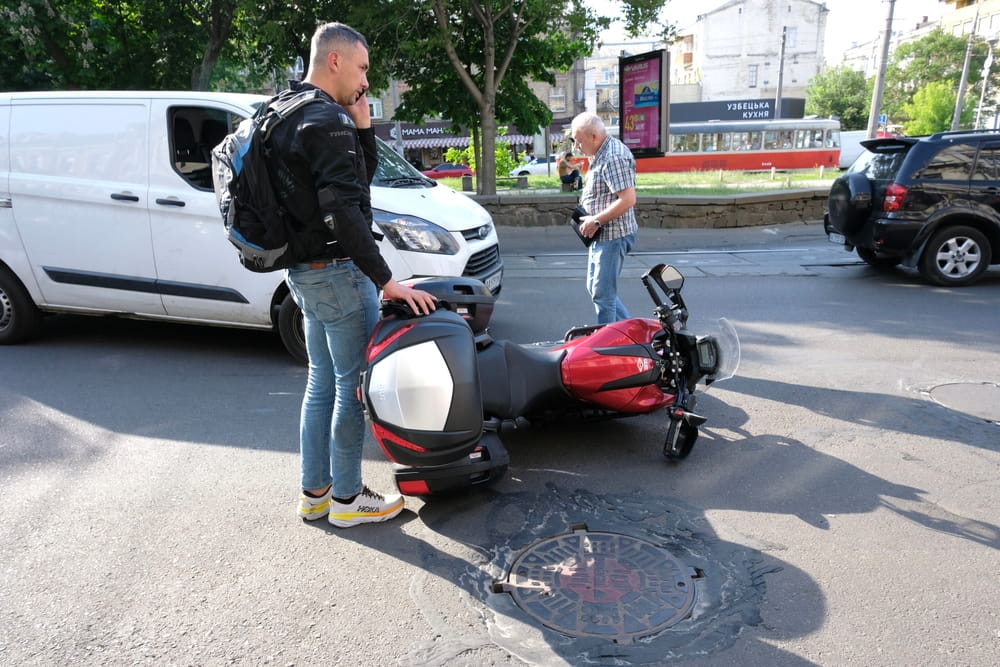
The safest way to pass a motorcycle is to give the rider the same space, caution, and respect you would give any other vehicle on the road. Motorcycles may look smaller, but they need the full lane and enough room for sudden stops, road hazards, and changes in traffic.
Drivers can reduce the risk of a serious crash by following these steps:
- Give the Motorcycle the Full Lane: Never treat a motorcycle like it needs only part of a lane. State law gives riders the full use of the lane, and squeezing past in the same lane can cause a devastating collision.
- Leave Plenty of Following Distance: Stay at least four seconds behind the motorcycle before attempting to pass. That extra space gives you more time to react if the rider slows suddenly or needs to respond to road conditions.
- Signal Early: Use your turn signal well before moving over. Early signaling helps the rider understand your intentions and reduces the risk of sudden, confusing movements.
- Check Your Blind Spot: Before changing lanes, do a physical head check and don’t rely solely on your mirrors. Motorcycles are easier to miss, especially in blind spots, but it’s your responsibility to locate them.
- Pass Only When the Road Is Clear: Wait for a long, clear, and straight stretch of road before passing. Don’t rush around the motorcycle, and don’t move back into the lane too quickly after passing.
When Is It Unsafe To Pass a Motorcycle?
Drivers should give motorcycles more space and more time when visibility is limited or road conditions are poor. Rain, fog, low light, heavy traffic, sharp curves, and uneven pavement can all make passing a motorcycle more dangerous.
A pass that might seem safe on a clear, dry road can become dangerous in bad weather or on a crowded highway. Waiting for a better opportunity is often the safest choice.
Common Mistakes Drivers Make When Passing a Motorcycle
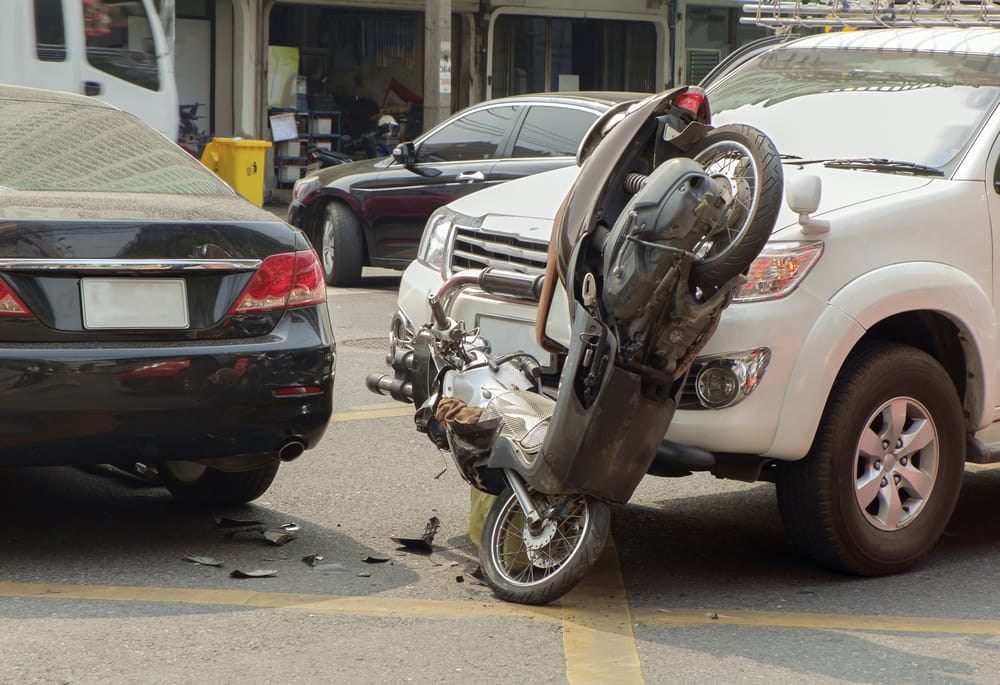
Even with good intentions, simple errors in judgment can lead to life-altering motorcycle accidents. A driver’s failure to account for a motorcycle’s performance characteristics, like its ability to stop quickly, contributes to many crashes.
Here are four frequent errors that can lead to a finding of negligence:
- Misjudging Speed and Distance: It’s often difficult to judge a motorcycle’s speed because of its small size. A driver may pull out to pass, thinking they have enough time, only to cause a head-on or sideswipe collision.
- Crowding the Rider: Many drivers follow motorcycles too closely or fail to provide enough side-to-side space during a pass. This behavior can intimidate the rider and leaves no room for error if either vehicle needs to adjust its position.
- Failing To See the Motorcycle: Motorcycles are easily hidden in a car’s blind spot. Drivers who rely only on their mirrors without performing a physical head check often cause accidents by changing lanes directly into a rider.
- Returning to the Lane Too Quickly: After passing, a driver may cut back into the lane too soon, forcing the motorcyclist to brake suddenly or swerve. A safe pass includes leaving plenty of room before merging back.
FAQ for How To Pass a Motorcycle Safely
What Is the Single Most Important Rule When You Pass a Motorcycle Safely?
The most critical rule to remember when passing a motorcycle is to give the rider the full lane throughout the entire passing maneuver. Don’t treat it as a small object you can squeeze by; give the motorcyclist the same respect and space you would give a large truck.
Is It Illegal To Share a Lane With a Motorcycle in New Hampshire?
It’s illegal for a car to share a lane with a motorcycle for the purpose of passing. Each vehicle is entitled to the full width of the lane. A driver who attempts to pass a motorcyclist in the same lane violates state traffic laws and creates an extremely dangerous situation.
Can I Still Recover Damages if I Was Partially at Fault?
In New Hampshire, you may still be able to recover damages even if you were partially at fault for the accident. The state follows a modified comparative negligence system, which means you can recover compensation as long as your share of the fault is not greater than 50%.
Any compensation you recover will be reduced by your percentage of fault.
Discuss Your Case With Our Team

Bradford H.
Coates, New Hampshire Motorcycle Accident Attorney
If you were injured in a motorcycle accident, whether as a rider, passenger, or another driver, you may have a path to compensation. The challenges of dealing with an injury and an uncooperative insurance company can feel like too much to handle alone.
Coates Law Office helps people injured in motorcycle accidents across New Hampshire, including riders, passengers, and other drivers, seek fair compensation.
To learn more about how we can assist you, contact us at (603) 262-5766 or fill out our online form for a free consultation.