

A sideswipe collision happens when the sides of two vehicles make contact while traveling in the same direction or passing in opposite directions. These crashes often occur during lane changes, merges, or when a driver drifts out of their lane. Sideswipe accidents in New Hampshire can quickly turn into disputes over who caused the crash. Since both drivers are moving, insurance companies often argue that each person shares some responsibility. A New Hampshire car accident lawyer can review the collision, gather evidence, and push back when the insurance company tries to shift blame onto you.
Key Takeaways for Sideswipe Collisions in New Hampshire
- Sideswipe crashes often happen when one driver makes a negligent lane change, drifts into an adjacent lane, or fails to check a blind spot.
- Proving who is at fault can be difficult, as these accidents often turn into a “he-said, she-said” argument without clear evidence.
- New Hampshire’s modified comparative fault rule means you can still recover damages as long as you’re not 51% or more responsible for the crash.
- Evidence like dash cam footage, witness statements, and the location of vehicle damage is critical for establishing liability.
How Is Fault Determined in a New Hampshire Sideswipe Collision?
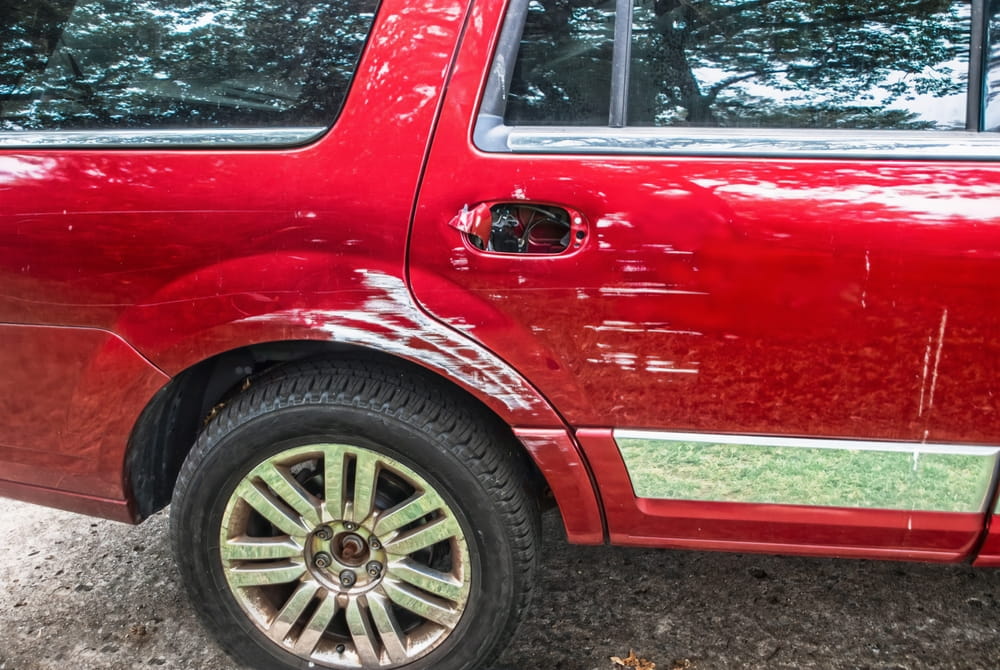
Determining fault usually depends on securing evidence showing that one driver made an unsafe lane change, failed to stay in their lane, or moved without ensuring the lane was clear.
The other driver’s insurer may argue that you were speeding, distracted, or failed to yield, even if their driver drifted into your lane or merged without checking a blind spot.
Strong evidence often makes the difference in a New Hampshire sideswipe claim:
- Dashcam Footage: Often the most definitive piece of evidence, dashcam footage can show exactly which vehicle crossed into the other’s lane of travel.
- Scene Photos: Pictures of the final resting positions of the vehicles, the damage to both cars, road conditions, and any skid marks can help reconstruct the event.
- Eyewitness Testimony: An independent third party who saw the crash can provide an unbiased account that supports your version of what happened.
- Police Report: The official report contains the responding officer’s observations, diagrams of the scene, and any citations issued.
How New Hampshire’s Comparative Negligence Rule Affects Your Case
New Hampshire follows a modified comparative fault rule, which means your ability to recover compensation depends on your share of responsibility for the crash. You can still recover damages as long as you’re not more than 50% at fault, but your compensation will be reduced based on your percentage of fault.
For example, if you’re awarded $100,000 but found to be 10% responsible, you can still recover $90,000.
Due to comparative negligence, how the fault is presented early in the claim can affect the outcome. Insurance companies may try to assign you a portion of the blame to reduce what they pay.
The insurance adjuster may push for recorded statements or ask leading questions designed to shift part of the blame onto you. Pushing back with clear evidence and a consistent account of what happened becomes critical to protecting your claim.
Common Causes of Sideswipe Crashes in New Hampshire
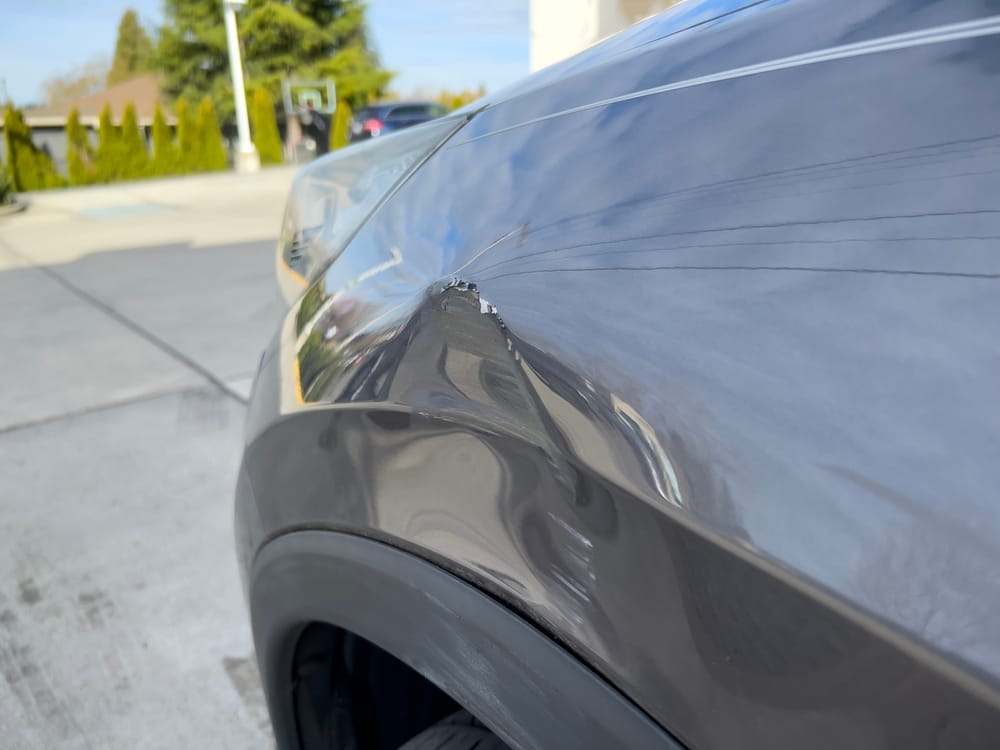
Most sideswipe collisions happen because one driver stops paying attention to lane position, traffic flow, or the space needed to move safely. On New Hampshire roads, these crashes often stem from preventable mistakes rather than unavoidable conditions.
Common causes include:
- Distracted Driving: A driver who is texting, adjusting controls, or looking away from the road can drift into the next lane and hit another vehicle.
- Driver Fatigue: A tired driver may have slower reactions and less control over the vehicle, which can lead to drifting across lane lines.
- Unsafe Lane Changes: A sideswipe can happen when a driver changes lanes without signaling, fails to check a blind spot, or misjudges the position of another car.
- Impaired Driving: Alcohol or drugs can affect judgment, coordination, and lane control, increasing the risk of a sideswipe crash.
FAQ for Sideswipe Collisions in New Hampshire
What Should I Do After a Sideswipe Collision in New Hampshire?
After a sideswipe collision, what matters most is getting medical care, even if you think you feel fine initially. A medical review helps link any latent symptoms to the accident and shows the insurer that you’re taking your health seriously.
Be careful about what you say to the insurance company before you’ve had the chance to consult a New Hampshire car accident lawyer.
Does It Matter Which Part of My Car Was Damaged?
The location and type of damage from a sideswipe collision can be very important evidence. For instance, scrapes and dents along the entire side of a vehicle may indicate that one car drifted slowly into the other.
Damage concentrated near the front or rear quarter panel may suggest a more abrupt and unsafe lane change, which helps in determining who is responsible for the sideswipe.
What Happens if the Other Driver Was Uninsured?
If the at-fault driver does not have insurance, you may still be able to recover compensation through your own policy’s Uninsured Motorist (UM) coverage. This is a type of coverage that steps in to pay for your damages when the responsible party lacks the insurance to do so.
A New Hampshire car accident lawyer can help you review your policy and file a claim with your own provider.
Contact Coates Law Office Today

Bradford H.
Coates, New Hampshire Sideswipe Accident Attorney
If you were injured in a sideswipe collision in New Hampshire, you don’t have to face the insurance companies alone. Coates Law Office can investigate your accident and build a case centered around what really happened. We’ll protect your rights and fight for the compensation you need to move forward.
Contact us today at (603) 262-5766 or fill out our online form for a free consultation.